
Rental & Property · 2026-10-26
Landlord Guide to Locks and Keys in Valley Glen: Rekey, Replace, or Go Keyless?
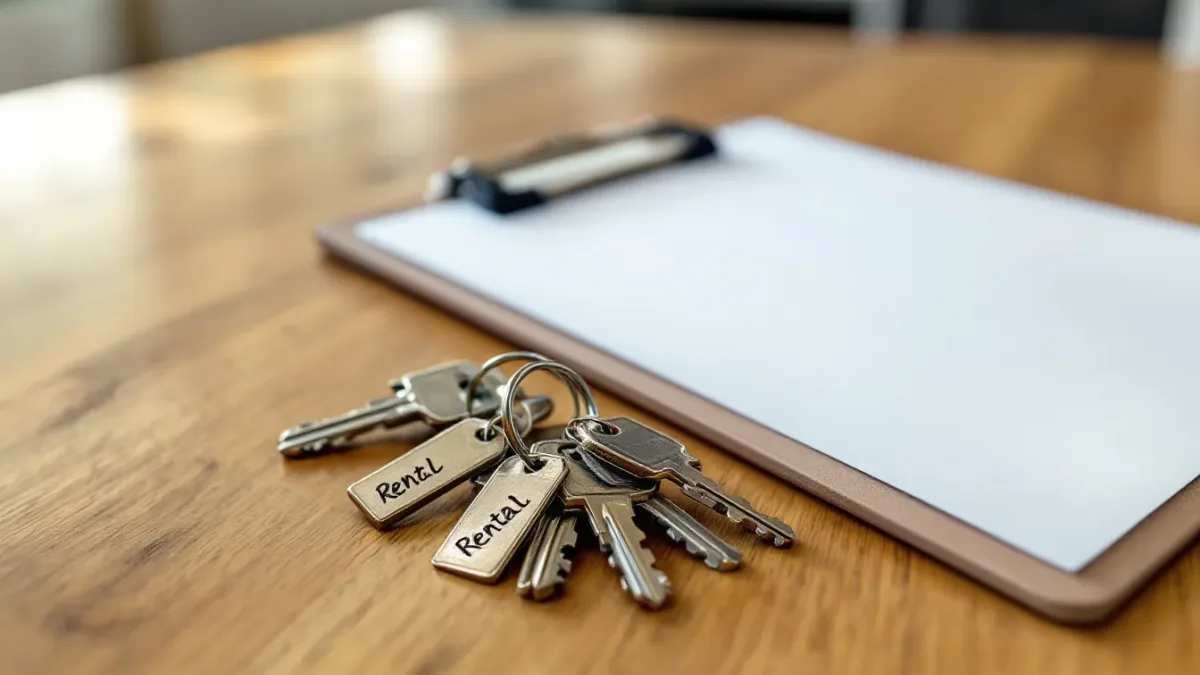
Every turnover raises the same question: how do you make sure the last tenant's keys, and the copies they may have made, no longer work? For Valley Glen landlords, the answer depends on your building, your budget, and how often your units change hands. Rentals near the Los Angeles Valley College district tend to turn over with the academic calendar, while single-family homes and duplexes along the Tujunga Wash and Great Wall corridor often have longer tenancies. Here are the three main options, compared honestly.
Option 1: Rekey the Existing Locks
Rekeying changes the internal pins of a lock so old keys stop working and a new key takes over. The hardware on your door stays the same.
Pros
- Usually the most economical way to cut off old keys.
- Quick to do, so a unit can be ready between move-out and move-in.
- Lets you key every lock on a property alike, so one key works the front door, side gate, and garage entry.
- Keeps the look of your existing hardware, which is handy if it is in good shape.
Cons
- Does nothing for worn, loose, or low-quality hardware.
- Not every lock can be rekeyed, and some very old or damaged ones will need replacing.
- Does not add any new features like keypads or better deadbolt grades.
For most turnovers, this is the sensible default. You can read more about the process on our lock rekeying service page or the Valley Glen rekeying page.
Option 2: Replace the Locks Entirely
Replacement means removing the old lockset and installing new hardware, with fresh keys included.
Pros
- Solves the problem of tired, sticky, or damaged locks in one visit.
- Lets you upgrade to a sturdier deadbolt, a better strike plate, or a more secure grade of hardware.
- Good opportunity to standardize hardware across several units.
- A fresh, clean look can help a listing feel well maintained.
Cons
- Costs more than rekeying, and the cost multiplies across a multi-unit building.
- Overkill if the existing locks are working fine.
- Mismatched hardware can create extra work if you only replace some doors.
Replacement makes the most sense after a break-in attempt, after a tenant damaged a lock, or when the hardware is simply at the end of its life. Our residential locksmith services cover both installation and repair.
Option 3: Install Keypad or Smart Locks
Keypad and smart locks let you assign codes instead of handing out metal keys.
Pros
- You can change or delete a code in seconds, with no key exchange at turnover.
- Handy for lockboxes alternatives, such as giving a cleaner, painter, or contractor temporary access.
- No more worrying about copied keys.
- Some models keep a log of when the door was used.
Cons
- Higher upfront cost than either rekeying or standard replacement.
- Needs batteries, and a dead battery can cause a lockout if you have no backup plan.
- Tenants may share codes just as they share keys, so good habits still matter.
- Some smart models depend on apps and Wi-Fi, which adds complexity for you and the tenant.
- Not every door is a good fit, so the hardware should be checked before you buy.
This route works well for short-term rentals or owners who manage properties remotely. For a long-term tenancy it can be more than you need.
Which Option Fits Which Landlord?
- Single-family rental with long-term tenants: rekey at each turnover, and replace hardware only when it wears out.
- Student-oriented rental near Valley College: rekey on the academic cycle, or consider keypads if turnover is frequent and keys tend to go missing.
- Small multi-unit building: rekey everything to a clean key scheme, and replace any failing deadbolts at the same visit.
- Remote or out-of-area owner: keypad locks can simplify access for contractors and property managers.
A Simple Turnover Checklist
- Collect every key from the departing tenant and note how many were returned.
- Inspect each lock for looseness, sticking, or damage.
- Decide whether to rekey, replace, or upgrade based on the condition you find.
- Do not forget secondary points: side gates, mailbox, garage door, and any storage cage.
- Test every key before the new tenant arrives, and keep a labeled spare set in a safe place.
- Keep a written record of the date locks were changed for your files.
Do Not Forget the Legal Basics
California has rules about landlord entry and tenant security, and they can change. Check current requirements or ask a qualified professional before you make decisions about access, especially mid-tenancy. A locksmith can handle the hardware side, but your lease and local law guide what you are allowed to do.
Work With a Local Pro
A locksmith who comes to you saves a trip to the hardware store and a lot of guesswork. We have served Los Angeles and Ventura County since 1987, and we are fully mobile, so we can handle the work right at your Valley Glen property. See our Valley Glen residential locksmith page for more, or contact us with details about your units.
Planning a turnover or want a second opinion on your hardware? Call us at (323) 997-8867 and we will help you pick the right approach for your property.