
Rental & Property · 2026-10-26
The Commerce Landlord's Checklist for Locks and Keys
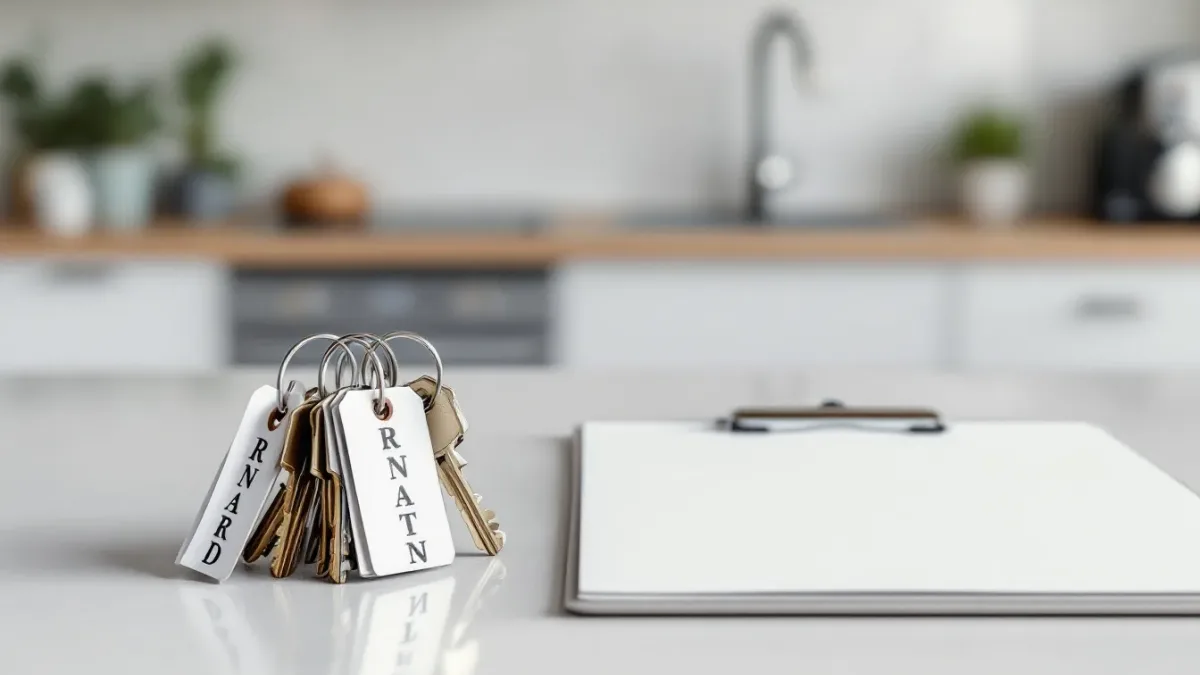
Whether you own a duplex near Rosewood Park, a small rental close to Bandini, or a unit in the Bristow Park area, locks are one of the cheapest ways to protect your property and your tenants. They are also one of the easiest things to forget. This checklist walks you through what to do before, during, and after a tenancy.
Before a New Tenant Moves In
The single most important habit is making sure the previous tenant, their guests, and any former contractors can no longer get in.
- Rekey every exterior lock at each turnover. Rekeying changes the internal pins so old keys stop working, without replacing the hardware. See our overview of lock rekeying if you want to know how it works.
- Rekey mailbox, garage, side gate, and storage locks too, not only the front door.
- Test every key you hand over in every lock it is supposed to open.
- Check that deadbolts throw fully and the bolt extends into the strike plate without rubbing.
- Confirm window latches and sliding door locks work and are not painted shut.
- Write down how many keys you are giving the tenant and have them sign for it.
Set Up a Key Control System
A messy key ring is a security risk. A little organization goes a long way.
- Label keys with a code, not the street address, so a lost key does not point to a door.
- Keep a simple log of who holds which key: tenant, property manager, maintenance, and you.
- Store spare keys in a locked box, not a kitchen drawer or under the doormat.
- Consider setting all your units to a single master-keyed system if you own several, so you carry one key instead of a heavy ring.
- Limit who gets copies. Every extra key is another one to track.
Know the Rules Before You Act
Landlord-tenant law in California has specifics about entry, notice, and who can change locks and when. Rules can change, so check current state and local requirements or talk to a qualified professional before making changes during a tenancy.
- Give proper written notice before entering a unit for non-emergency work.
- Do not change locks on an occupied unit without understanding your legal obligations.
- Make sure smoke detectors and egress points are not blocked or compromised by added locks.
- Keep copies of any lock work you do in your property records.
Choose Hardware That Fits a Rental
Rentals take more wear than owner-occupied homes. Choose hardware that is durable and easy to service.
- Pick solid deadbolts from a recognized grade rating rather than the cheapest option on the shelf.
- Use matching keyways across a property when practical, so rekeying is quick and consistent.
- Replace any lock that sticks, jiggles, or has a worn cylinder before it fails completely.
- Reinforce strike plates with longer screws that reach the door frame stud.
- Consider keypad or smart locks for units with frequent turnover, so you can change codes instead of handing out keys. Understand the tradeoffs, including batteries and a backup way in.
For more on home hardware, our residential locksmith services page covers common options.
During the Tenancy
A little attention between turnovers prevents bigger problems.
- Tell tenants to report sticky locks, loose handles, or lost keys right away.
- Have a clear policy on lockouts so tenants know who to call and what to expect.
- Do a quick lock check during any scheduled inspection.
- Remind tenants not to hide spare keys outside and not to duplicate keys marked for restricted use.
- Lubricate with a graphite-based lubricant when needed, and avoid oil-based sprays that can attract dust.
When a Tenant Moves Out
- Collect every key, fob, and garage remote, and compare the count against your sign-out sheet.
- Inspect each lock for damage and note any repairs needed.
- Schedule rekeying right away, before showing the unit to new applicants.
- Update your key log with the new tenant's information once they move in.
Special Considerations in Commerce
Commerce mixes residential streets with busy commercial and industrial areas, including the Citadel district and the corridors near major freeways. That means more foot traffic, delivery activity, and after-hours movement than some quiet suburbs.
- Make sure exterior lighting works and points at entry doors and gates.
- Choose sturdy gate and padlock hardware if your property has shared access.
- Think about who can see your doors from the street, and trim any landscaping that hides them.
- Keep a local locksmith's number saved so a lockout or break-in repair does not turn into a scramble.
If you manage property in town, our Commerce locksmith page and Commerce rekeying service explain how mobile service works in the area.
Quick Landlord Checklist Recap
- Rekey all locks at every turnover.
- Test every key in every lock.
- Label keys by code and keep a written log.
- Store spares in a locked box.
- Follow California notice and entry rules.
- Replace worn or sticking hardware early.
- Collect and count all keys at move-out.
Need a Hand?
Crenshaw Lock Company has served Greater Los Angeles and Ventura County since 1987, and our locksmiths come to you with fully mobile service, day or night. For rekeying, lock repair, or a turnover plan for your Commerce rental, call us at (323) 997-8867 or visit our contact page.