
Home Security · 2026-10-26
High-Security Locks Explained: How to Choose and Upgrade in Lawndale, CA
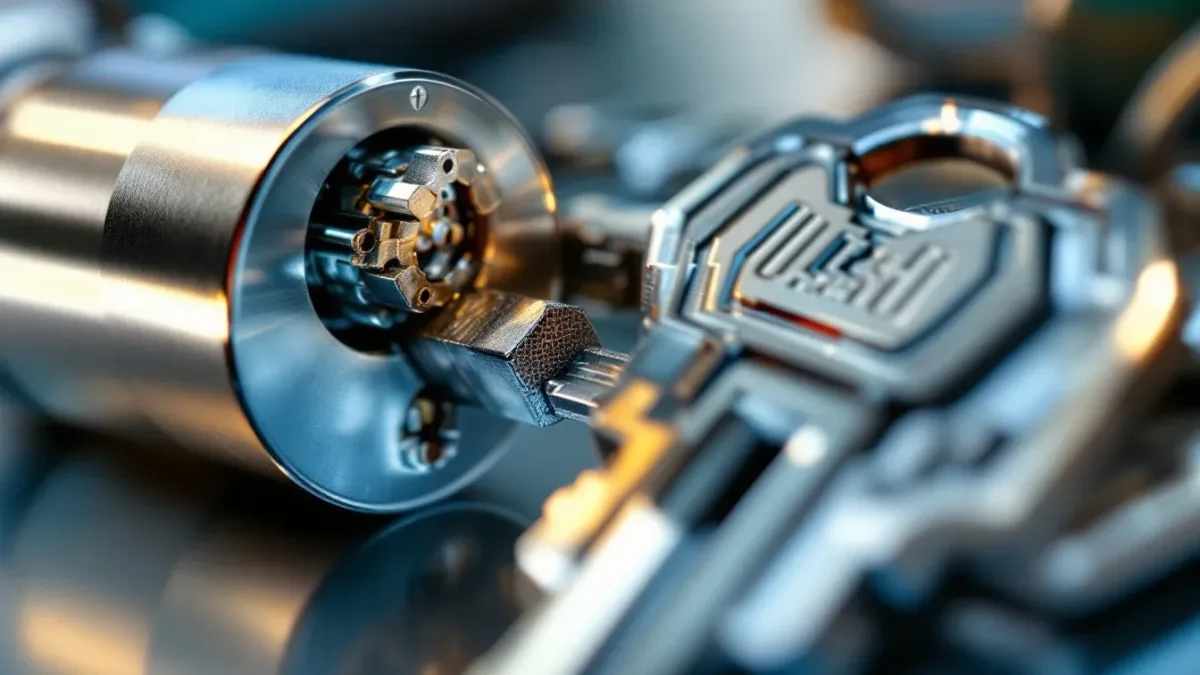
If you've ever wondered whether the deadbolt on your front door is really doing its job, you're not alone. Many Lawndale homes and shops still run on the basic hardware installed decades ago. This guide explains what high-security locks are and walks you through choosing and installing one.
What Makes a Lock "High-Security"?
A standard lock keeps honest people honest. A high-security lock is built to resist the methods that defeat ordinary hardware. Typically that means a combination of:
- Pick resistance: tighter tolerances and special pins that make manipulation far harder.
- Drill and force resistance: hardened steel inserts and reinforced housings.
- Key control: restricted keyways so copies can't be cut at just any hardware kiosk.
- Bump resistance: designs that blunt the common bump-key technique.
No lock is magic, and a good lock is only as strong as the door and frame around it. That is why the steps below look at the whole entry point, not just the cylinder.
Step-by-Step: Upgrading to a High-Security Lock
- Walk your property like a stranger would. Look at every exterior door, including side doors, garage entries, and back gates. In neighborhoods like El Camino Village and Lawndale Acres, side and rear doors are often the least protected, so list them all.
- Check the door and frame. Press on the door near the latch. If the frame flexes, or the strike plate is held by short screws, a premium lock won't help much. Longer screws and a reinforced strike plate are often a smart companion upgrade.
- Identify what you have now. Note the brand, whether the deadbolt is single-cylinder or double-cylinder, and how old it looks. If keys have been copied freely over the years, you don't really know who holds one.
- Decide how much key control you need. A restricted keyway means duplicates require authorization. That matters for landlords, families with a revolving cast of house guests, and anyone who has ever lost a key.
- Match the lock to the door's use. A front door with heavy daily traffic has different needs than a rarely used back entry. Along the Hawthorne Boulevard corridor, storefronts and offices with employees coming and going often benefit from restricted keys and tighter access control.
- Pick the lock grade and features. Look for solid-metal construction and a deadbolt with a substantial throw. Ask a professional about certified grades rather than relying on packaging claims.
- Have it installed correctly. Even excellent hardware fails when it's misaligned or fitted into a poorly bored door. Proper installation is where most of the real-world security comes from.
- Rekey or retire old keys. Once the new lock is in, collect or discard the old keys so earlier copies no longer matter.
- Test it and keep a plan. Operate the lock several times from both sides, and keep a spare key somewhere you trust, not under the doormat.
Residential or Commercial: Does It Matter?
It does. Homes usually prioritize a strong deadbolt, smart key control, and a reinforced frame. Businesses often need more: master key systems, keyed-alike sets, and hardware that holds up to constant use. If you run a shop, restaurant, or office, our overview of commercial locksmith services covers what's available, and Lawndale business owners can see local commercial options too.
Common Mistakes to Avoid
- Buying on price tags or marketing language alone. "Heavy duty" on a box is not a certification.
- Upgrading only the front door. Burglars like the path of least resistance.
- Ignoring the strike plate. It's a small part with a big role.
- Skipping a key audit. A new lock with old unaccounted-for keys is only half a fix.
- DIY installation without checking alignment. A slightly off bore can leave a lock binding or weak.
When to Call a Professional
Simple swaps can be a weekend project, but a high-security installation is different. Restricted keyways, reinforced strikes, and door preparation reward experience. A professional can also assess your doors on-site and tell you honestly whether you need a full upgrade or just a few targeted fixes. Since we're fully mobile, we come to you, whether you're at home in Lawndale or at your business.
To learn more about the hardware itself, see our page on high-security locks, or check the Lawndale high-security lock page for local details.
A Quick Peace-of-Mind Checklist
- Every exterior door has a quality deadbolt.
- Strike plates are reinforced with long screws.
- You know exactly who has keys.
- Old or lost keys have been dealt with through rekeying.
- Your locks turn smoothly, without sticking or forcing.
Ready to Upgrade?
If you'd like a second set of eyes on your doors, or you're ready to install a high-security lock, we're available around the clock. Call us at (323) 997-8867, or reach out through our contact page and tell us what you need. We've been serving Greater Los Angeles and Ventura County since 1987, and we're happy to help Lawndale neighbors feel safer at home and at work.