
Commercial · 2026-11-02
Small-Business Door Security in Huntington Park: A Step-by-Step Guide
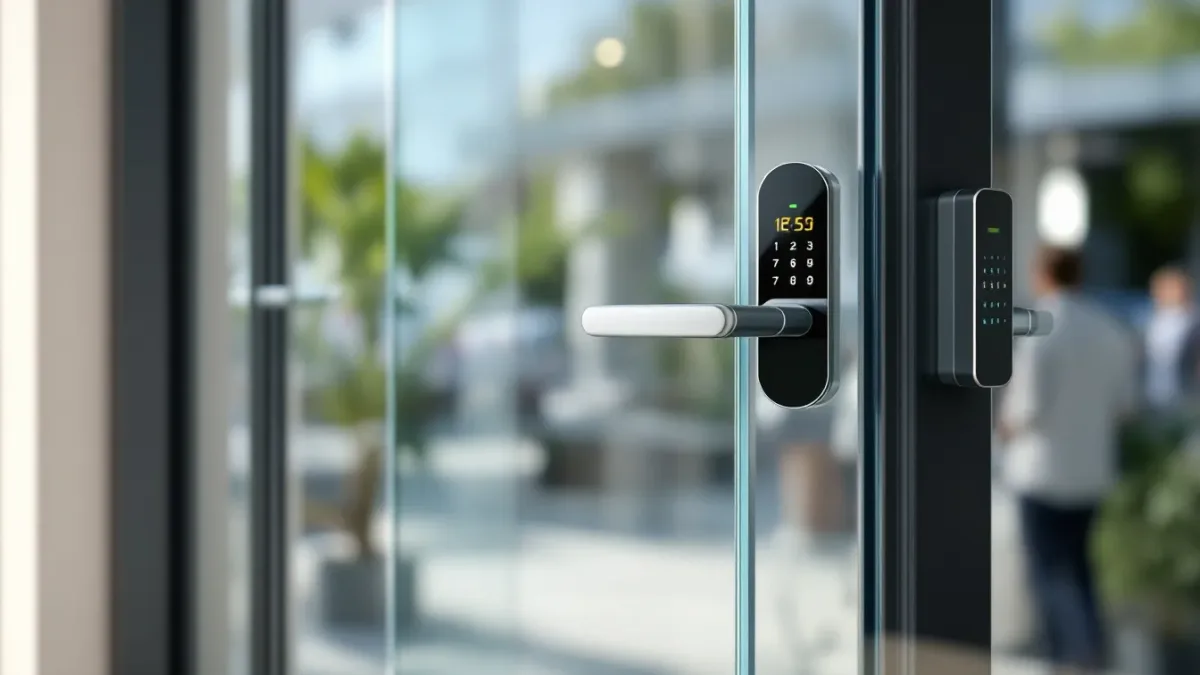
Whether you run a shop along the Pacific Boulevard district, a salon near Walnut Park, or a small office in the Firestone Park area, your doors are your first line of defense. Good door security is rarely about one expensive gadget. It is a handful of sound basics done consistently. This guide walks you through them in order.
Why Door Security Deserves Your Attention
Most break-ins and after-hours problems come down to ordinary weaknesses: a worn latch, a door that does not fully close, a key nobody can account for, or a back entrance that gets less attention than the storefront. These are all fixable, and you do not need to be an expert to spot them.
Busy commercial corridors like Pacific Boulevard bring heavy foot traffic and visibility, which is great for sales. It also means your entrances are seen by a lot of people every day, so it pays to make sure they are solid.
What You Will Need
- A notepad or phone to record what you find
- About an hour after closing, when you can test every door calmly
- A list of everyone who currently has keys or codes
- A flashlight for checking exterior areas at night
Step-by-Step: Securing Your Business Doors
- Walk every entrance and list them. Count the front door, back door, side doors, roll-up doors, and any door to a storage room or office. Many owners forget one. Note the type of door and lock on each.
- Check that each door closes and latches on its own. Let the door swing shut without pushing. If it drifts, sticks, or does not latch, the closer, hinges, or frame may need adjustment. A lock cannot protect a door that does not close properly.
- Inspect the frame, strike plate, and hinges. Look for cracked wood, loose screws, or a strike plate attached with short screws. Longer screws that reach the wall stud make a door much harder to force. On outward-swinging doors, check that hinge pins cannot be easily removed from outside.
- Evaluate the lock itself. Look for worn, loose, or sticky cylinders and deadbolts that do not extend fully. A commercial-grade deadbolt is generally a better fit for a business than a basic residential one. If the key turns roughly, do not wait for it to fail on a busy morning.
- Look at glass and the area around the lock. Glass doors and sidelights can undermine a good lock. If someone can break glass and reach the thumb turn, consider a keyed cylinder on the inside or other protection suited to your door.
- Audit your keys. Write down who holds each key, including past employees, landlords, cleaners, and contractors. If you cannot account for a key, treat it as a risk. Rekeying the locks is often more affordable and faster than replacing hardware, and it makes old keys useless.
- Set up a key-control habit. Use a restricted or hard-to-copy key system if possible, keep a simple sign-out log, and label keys with codes rather than the business name or address.
- Consider electronic access where it makes sense. If staff come and go on different schedules, keypad or card-based systems let you remove one person's access without changing every lock. Learn more about options on our access control services page.
- Improve lighting and visibility. Well-lit entrances discourage trouble. Make sure exterior lights work, and keep windows clear enough that passersby can see inside.
- Make a closing routine and stick to it. Check each door by physically pulling on it, not just glancing at it. Assign the task to a specific person and keep it consistent.
Common Mistakes to Avoid
- Leaving a spare key under a mat, in a planter, or on top of a door frame
- Using one key for everything and handing out copies freely
- Ignoring a lock that is starting to stick or jam
- Focusing only on the front door while the back door is weak
- Putting off rekeying after an employee leaves on bad terms
Special Notes for Huntington Park Businesses
Many local storefronts are in older buildings with original frames and hardware. That charm can come with aging doors that no longer fit square. If you rent in the Pacific Boulevard district or elsewhere in the city, check your lease before changing locks, and let your landlord know about any changes so access is not a surprise later. If you are in Walnut Park or the Firestone Park area and operate from a smaller unit or home-based space, the same steps apply, and a back or side entrance often deserves the most attention.
When to Call a Professional
Some of this you can handle yourself, like the walkthrough, the key audit, and the closing routine. Call a pro when you find damaged frames, need rekeying across several doors, want a master key system, or are considering electronic access. A professional can also assess whether your hardware fits your door and your risk level. Explore our commercial locksmith services or see what we offer locally on our Huntington Park commercial locksmith page.
Keep It Simple and Review Regularly
Put a reminder on your calendar to repeat this walkthrough every few months and any time staff changes. Small, steady attention beats a one-time scramble after something goes wrong.
Need a hand with locks, rekeying, or access control at your Huntington Park business? Call Crenshaw Lock Company at (323) 997-8867, or reach us through our contact page. We are a fully mobile locksmith and have served Greater Los Angeles and Ventura County since 1987.